A Chill Factor: Revamping Retail Areas through AC


In the current fast-paced commercial environment, the significance of a pleasant and well-regulated indoor climate cannot be emphasized enough. A efficient air conditioning system is not just a matter of comfort; it plays a crucial role in enhancing employee productivity, promoting customer satisfaction, and maintaining the integrity of essential equipment. As businesses grow and evolve, investing in the right commercial air conditioning systems becomes critical for fostering a inviting atmosphere that encourages collaboration and innovation.
Exploring the world of commercial air conditioning can appear overwhelming, but understanding the different systems and technologies available can enable business owners to make educated decisions. Whether you are overseeing a bustling office, a shopping space, or a big industrial complex, knowing the key distinctions between commercial and residential systems, alongside the latest energy-efficient technologies, can transform your approach to climate control. In this ultimate guide, we will explore everything from selecting the most suitable system for your particular needs to ongoing maintenance tips that extend the lifespan of your air conditioning units. Accompany us as we delve into the transformative impact of commercial air conditioning on contemporary workplaces.
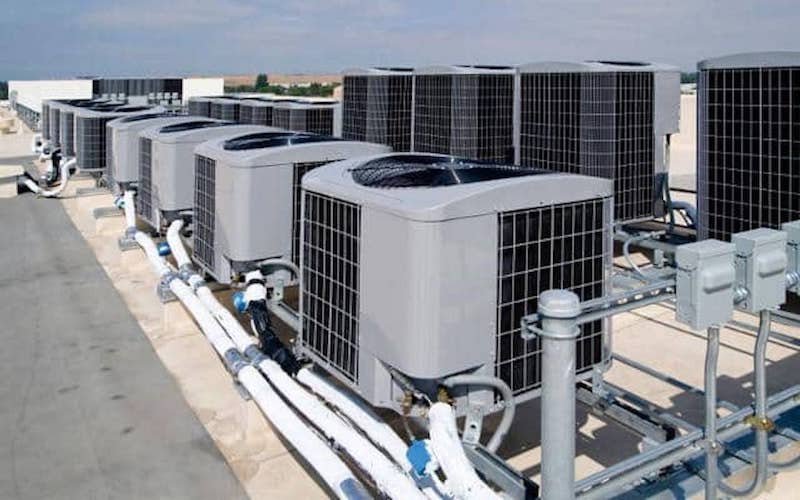
Determining the Appropriate Commercial Air Conditioning
Choosing the right commercial air conditioning unit for your organization starts with understanding the particular needs of your environment. Evaluate factors such as the size of the area, the total of occupants, and the types of equipment in operation. A comprehensive assessment of these factors ensures that you choose a solution that can sustain pleasant temperatures while satisfying the demands of your operations.
Next, it's important to consider various types of units on the market. Options span from conventional split systems to sophisticated variable refrigerant flow systems. Each kind has its pros, considering the layout of your building and the particular heating and cooling needs. Investigating these choices or seeking guidance from an HVAC expert can provide important insights into which system aligns most suitably with your business targets.
In conclusion, consider power efficiency when selecting a commercial air conditioning system. An expenditure in high-efficiency units may have a increased upfront cost but can lead to significant savings on energy expenses over the long term. Seek out units with good SEER (Seasonal Energy Efficiency Ratio) values and explore any offered incentives for sustainable units. Emphasizing energy efficiency not only support your financial return but also advances green initiatives within your company.
Benefits and Efficiency of Commercial AC Systems
Investing in a commercial air conditioning system provides many advantages that can greatly enhance the work environment. One of the key advantages is enhanced comfort for staff and clients alike. A well-cooled space helps maintain an ideal temperature, allowing staff to focus on their tasks without the inconvenience of excess heat. Additionally, pleasant environments can improve customer satisfaction, leading to longer visits and higher sales, particularly in commercial settings.
Efficiency in energy consumption is another important advantage of modern commercial AC systems. State-of-the-art technology in air conditioning units allows for more effective energy usage, which can significantly reduce electricity bills. By implementing smart controls and programmable thermostats, businesses can customize cooling patterns based on usage and occupancy levels, resulting in both savings and reduced carbon emissions. Energy-efficient systems often qualify for rebates and subsidies, further boosting the return on investment.
Moreover, a properly working commercial AC system plays a vital role in air circulation and air quality. Proper airflow helps remove indoor contaminants, allergens, and moisture, creating a safer environment for everyone. This improved air quality not only contributes to the well-being of employees but also leads to increased productivity levels. With fewer sick days and an overall improvement in staff morale, businesses can enjoy the long-term benefits of investing in a quality commercial air conditioning system.
Maintenance and Troubleshooting for Commercial AC
Regular upkeep is essential for keeping your business air conditioning unit running effectively and prolonging its service life. http://www.newcastleaircon.co.uk/best-Commercial-Air-Conditioning-tyne-and-wear should include inspecting refrigerant levels, cleaning or changing filters, and checking ducts and ventilation for any blockages. Arranging these inspections at least two times a year helps identify possible issues early and keeps your system functioning at peak performance. A properly serviced AC system not only improves comfort but also boosts energy efficiency, lowering operational costs.
In the event of a malfunction, recognizing common signs that indicate your commercial AC system needs repair can save you time and money. Watch for strange noises, inconsistent temperatures, and an increase in energy bills, as these may indicate underlying problems. If you notice any drips or smell strange odors, it is important to fix these issues promptly. Neglecting them can lead to more extensive damage and costly repairs down the line.
Having a dependable troubleshooting plan is also vital for minimizing downtime. This comprises knowing how to reset the system, verifying the thermostat settings, and ensuring power supply is stable. Additionally, training staff to recognize early warning signs can enable quicker responses to possible failures. For more difficult issues, do not hesitate to get in touch with a qualified commercial air conditioning contractor who can conduct a thorough inspection and provide expert solutions.