Beyond Garbanzo Beans, Unique Flavors in Vegan Falafel


Plant-based falafel has taken the culinary world by storm, transcending its traditional chickpea base to explore a dynamic array of distinct flavors and textures. This cherished Mediterranean dish is not just a easy protein source for those on plant-based diets; it has turned into a canvas for creativity in the kitchen. As more people embrace plant-based diets, falafel has grown, inviting new ingredients and cooking methods that enhance both its flavor and health profile.
In this guide, we'll explore various aspects of vegan falafel, from classic dishes that pay homage to its roots to modern twists that incorporate surprising flavors. Whether you're a beginner looking to master the perfect falafel or a experienced cook eager to try new things, we will provide you with hints, methods, and creative presentation suggestions that will elevate your falafel game. Get ready to uncover the endless possibilities that lie beyond chickpeas and bring new enthusiasm to your vegan meals.
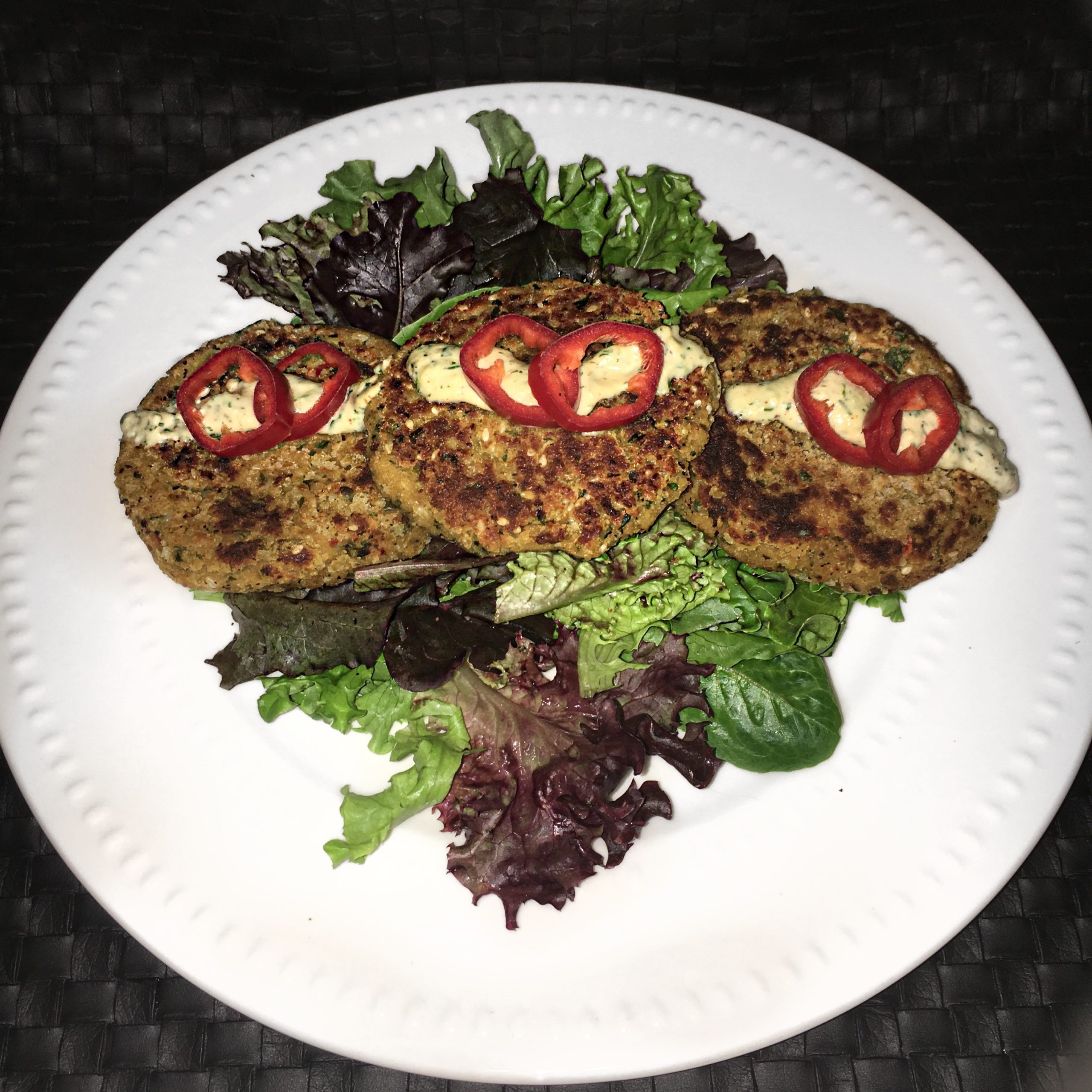
Creating Delicious Vegan Chickpea Balls
To get the optimal texture and flavor in vegan falafel, the choice of base ingredients is crucial. While chickpeas are the traditional option, fava beans can provide a distinct flavor and a fluffier texture. Mixing both can also create a harmonious profile that improves the final product. Soaking dried beans for several hours is essential for optimal results, as this not only makes pliable them but also enhances their digestibility. Avoid using canned beans, as they can introduce unwanted moisture and affect the crispiness.
The next step involves incorporating aromatic herbs and spices. Fresh herbs such as mint and cilantro are commonly used, while spices like coriander, garlic, and other spices add complexity. Playing with additional ingredients like lemon zest or ground sumac can bring a fresh twist to the traditional recipe. A vital tip is to mix the mixture until it reaches a chunky consistency that holds together but isn't blended into a paste. This texture allows for the ideal balance of crispiness on the outside and fluffiness on the inside.
Once the mixture is ready, forming the falafel balls correctly is crucial for consistent cooking. To ensure they stay intact during frying or baking, it's helpful to cool the formed falafel in the refrigerator for about some time before cooking. This firms up the mixture and prevents them from falling apart. Whether you decide to bake or fry, keeping the oil temperature steady is essential for getting that perfect crunch. Remember to not to overcrowding the cooking surface, as this can cause them to cook unevenly rather than fry, impacting the overall texture.
Offering and Combining Suggestions
Vegan falafel is flexible and can be appreciated in a variety of ways. One common method is to serve falafel in a flatbread, nestled in pita bread along with crunchy veggie toppings like leafy greens, tomatoes, and sliced cucumbers. Adding a splash of tahini sauce or a dollop of hummus elevates the taste and makes for a fulfilling meal. For follow this link , consider filling whole grain tortillas with falafel, fresh greens, and your preferred sauces for a delicious and portable option.
Another lovely way to offer falafel is in a wholesome bowl. Start with a base of quinoa or brown rice, then pile on roasted vegetables, vibrant herbs, and a piece of falafel. Accompany the dish with a colorful dressing, such as a lemon-tahini or a fiery harissa sauce. This creates a satisfying meal that's not only healthy but also a feast for the eyes, perfect for those looking to energize their day with substantial plant-based goodness.
For those looking to host, consider creating a falafel platter. Set up an assortment of falafel balls alongside sliced veggies, olives, pickles, and an variety of dipping sauces. This works wonderfully for gatherings and allows guests to combine flavors according to their preferences. Whether enjoyed as a bite or as part of a more extensive meal, falafel is sure to be a hit that invites creativity in serving.
Keeping and Reheating Methods
To maintain the crunch and taste of vegan falafel, correct storage is important. Once your falafel has cooled completely, store it in an closed container to avoid moisture from rendering it soggy. If you mean to consume the falafel within a short period, keeping it in the refrigerator is recommended. For extended storage, freeze the falafel, making sure to divide them with parchment paper to avoid sticking together.
When it comes to reheating, do not use the microwave, as it can lead to a loss of that much desired crunch. Instead, reheat falafel in the oven or an air fryer. Preheat your oven to around 375°F (190°C) and bake the falafel for about 10 to 15 minutes, or until they are thoroughly warm and crunchy once again. If using an air fryer, a similar time and temperature can also yield great results.
If you’ve frozen falafel, it’s recommended to defrost them in the refrigerator overnight before reheating. This provides even warming and helps maintain their texture. However, if you're short on time, you can reheat straight from frozen; just add a few extra minutes to your cooking time to ensure they are fully heated while retaining their crunch.