Ensuring the Longevity of The Business using Safety Nets Solutions


In an constantly changing landscape where construction projects are becoming increasingly complex, ensuring the safety of workers and the public has always been more critical. Safety netting has emerged as a essential component in modern job sites, providing a reliable barrier against falls and accidents. Understanding what safety netting is and its importance can not only enhance on-site safety but also greatly reduce liability and improve overall site productivity.
As we delve deeper into the world of safety netting, this article will serve as a comprehensive guide, exploring various types of safety netting, their applications, and the regulations that govern their use. Whether you are managing high-rise construction, renovation projects, or infrastructure endeavors, being aware of how to select and implement the right safety netting solutions will help future-proof your business and safeguard your workforce. Join us in uncovering the essential aspects of safety netting that can impact a difference in the lives of those working on the front lines.
Comprehending Safety Netting
Netting for safety is a critical component in the arena of modern construction and job sites. It acts as a protective barrier intended to stop falling workers, tools, and materials, successfully preventing major injuries or fatalities. With Safety Netting Bicester Oxfordshire growing focus on occupational safety, safety netting has developed into an integral part of fall protection systems, ensuring adherence with safety regulations while promoting a safe working environment.
In principle, safety netting provides a versatile and durable solution that can be deployed across various construction contexts, such as high-rise buildings, bridges, and renovation projects. It is engineered to withstand significant impact and load, making it a reliable choice for protecting workers at height. Comprehending its usage, advantages, and correct installation practices becomes vital for contractors eager to boost workplace safety and minimize liability.
Safety netting can be considered as a preventive approach to safety, addressing risks before they cause incidents. By integrating safety netting into project planning and execution, companies can not only comply with OSHA fall protection requirements but also cultivate a culture of safety that encourages worker confidence and productivity. As the construction industry continues to evolve, embracing safety netting is crucial for those looking to ensure the longevity of their operations and safeguard their workforce.
Types and Uses of Protective Netting
Safety netting comes in different forms, all designed for specific uses in the building industry. For instance, debris protection netting is ideal for scaffolding and structures where loose materials may fall and pose risks to workers and pedestrians below. This type of protection is made from durable materials that can endure wind and debris impacts. Similarly, fall protection nets are crucial for avoiding falls from elevations, predominantly used on construction sites with multi-story builds. These safety nets are carefully installed to catch workers who may trip or lose their balance, thus significantly improving safety protocols on work sites.
One more vital category is weight-bearing nets, which are beneficial during heavy lifting operations and in areas where tools are regularly moved. These netting are specifically designed to support significant weight, preventing potential accidents caused by dropped items. Additionally, customized netting and custom configurations can be employed in restricted or complicated work areas, offering tailored approaches for distinct project needs. Comprehending the appropriate kind of safety netting for specific tasks ensures optimal protection for employees and decreases the likelihood of incidents.
The choice of netting also is determined on other factors such as site, size of the project, and environmental conditions. For instance, safety netting for bridges or underpasses might require specific weight specifications to accommodate different climatic factors and engineering issues. By carefully evaluating these conditions, contractors can select the most suitable safety netting to improve overall site security and adhere with OSHA standards. This thoughtful choice and use of safety netting not only improves worker protection but also contributes to overall project effectiveness and adherence to safety standards.
Protection Nets Optimal Practices
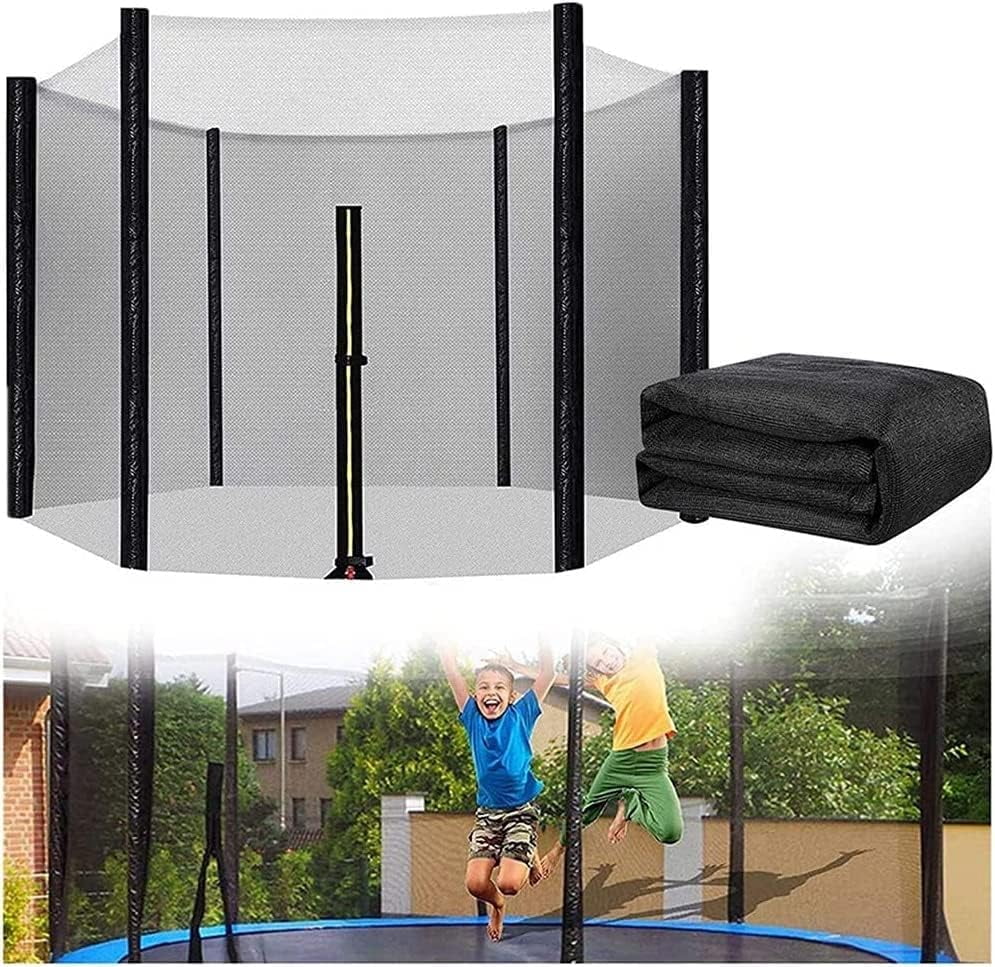
To guarantee the effectiveness of safety netting systems, proper installation is essential. Trained personnel should follow manufacturer guidelines and industry standards, ensuring that nets are installed securely at the correct heights and locations. Regular training for installation teams is crucial, as is comprehensive documentation of installation processes to maintain a consistent level of safety across jobs. This comprises using appropriate anchoring methods and ensuring that nets are free from any hindrances or items that could interfere with their performance.
Routine maintenance and evaluations are vital to preserving the integrity of safety netting. Contractors should establish a regular inspection timetable to check for signs of wear, damage, or degradation. Checking mesh for tears, confirming attachment points remain secure, and verifying load capacity according to relevant regulations are essential steps. It's vital to maintain comprehensive records of inspections and any work done on the netting, which can aid in compliance with safety regulations and provide valuable information in case of an accident.
Lastly, incorporating security netting into the overall safety plan significantly enhances site safety. This includes clear communication with all team members regarding the objective and significance of the netting, along with training on how to work safely around it. Encouraging all staff in safety discussions and updates promotes a culture of safety and reinforces the collective responsibility everyone shares. Through comprehensive preparation and proactive management, security netting can effectively protect workers, enhance productivity, and minimize liability on construction sites.