From Original towards Performance|The Way Car Tuning Changes Your Automobile


In today's automotive world, car enthusiasts and regular drivers alike are always on the hunt for ways to enhance their cars. One highly effective method that has gained significant traction is car remapping. Whether you want to increase your car's performance, improve fuel efficiency, or just refresh your driving experience, remapping presents a appealing option. By altering the software of a car's engine control unit (ECU), this process can transform a stock vehicle into a high-performance powerhouse, unleashing potential that many drivers didn’t even know existed.
As we explore the nuances of car remapping, we will delve into what it is and how it works, examining the pros and cons of engine remapping. Additionally, we will talk about the different approaches to remapping, such as generic maps versus custom options, and highlight the key benefits you can expect. We will also address concerns surrounding safety, legality, and the possible impacts on vehicle warranties and insurance. Join us as we navigate the intriguing world of car remapping and uncover how this technology can take your vehicle to new heights.
Comprehending Car Remapping
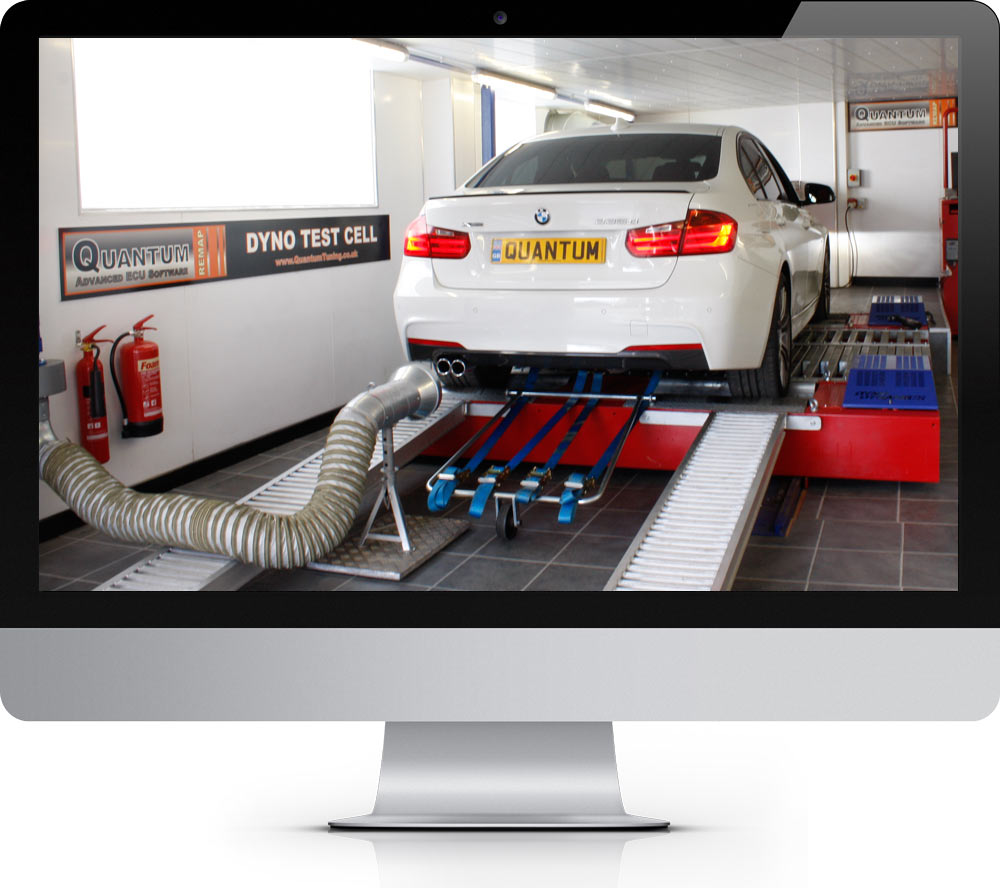
Vehicle tuning is the procedure of altering the engine control unit of a car to enhance its capabilities characteristics. Learn more entails adjusting various settings such as fuel flow, ignition timing, and turbo boost in turbocharged engines. By updating the program in the ECU, tuning can release additional horsepower and torque, leading to a more agile and robust driving performance.
How does vehicle tuning truly work? It begins with the assessment of the car's existing performance and the individual goals of the owner. A technician employs diagnostic tools to read the present ECU configuration and carries out adjustments to reach target results. This can vary from enhancing horsepower and torque to optimizing economy, making it a adaptable choice for many drivers looking to optimize their vehicle.
Though vehicle remapping can result in impressive results, it's crucial to grasp both the gains and potential downsides. Remapping can improve driving pleasure and performance, but it may also lead to higher wear on engine components if not done accurately. Consequently, it's crucial to pursue qualified help and consider aspects like your vehicle's make, model, and the particular remapping option chosen to ensure highest results.
Advantages and Drawbacks of Remapping
Car remapping offers several perks for car performance. By tuning the electronic control unit, remapping can lead to significant boosts in performance and torque output. This enhancement allows for quicker acceleration and a heightened driving experience, making the vehicle feel considerably more dynamic. Additionally, improved throttle response can make routine driving more pleasurable, especially in various conditions such as town driving or passing on the highway.
An significant benefit of remapping is its likely influence on fuel efficiency. Many drivers report improved fuel efficiency after going through remapping, particularly when adjustment is done with efficiency as a priority. This can lead to enduring cuts on gas expenses and reduce the entire carbon footprint of the vehicle. Furthermore, a properly executed remap can also lessen stress on the engine, potentially prolonging the durability of components and improving dependability.
However, there are concerns associated with car remapping that should not be dismissed. One of the chief issues is the potential for voiding the warranty on the vehicle, as manufacturers may not honor claims on altered vehicles. Additionally, if remapping is done incorrectly or with unsuitable parameters, it can lead to engine failure or excessive wear on components. This emphasizes the importance of selecting a qualified remapping expert and confirming that the procedure is appropriate for the particular make and version of the car.
The Future of Car Remapping
With the automotive industry shifts towards electrical solutions and innovative technology, the outlook of car remapping is evolving. Electric cars are rapidly becoming more prevalent, and this transition is prompting remapping specialists to adapt their offerings. Although traditional internal combustion engines can receive significantly from remapping, the real potential lies in enhancing the firmware of electrified powertrains. This encompasses improving battery management systems and enhancing overall efficacy through program modifications, ushering in a fresh era of vehicle tuning.
Moreover, advancements in machine learning and data insights are making it easier than ever to create tailor-made remaps adapted to individual driving styles and habits. With live data gathering from connected vehicles, remapping can become even more fluid and flexible. This implies that drivers could potentially receive remaps that change automatically based on their driving habits, resulting in better capability and effectiveness while still adhering with ecological rules.
Finally, as manufacturers increasingly limit access to the engine control units and other vehicle firmware, the future of car remapping may also involve navigating legislative and compliance considerations. The introduction of new guidelines could determine how remapping specialists function, potentially requiring them to adopt more clear practices. This dynamic landscape will test both consumers and professionals to strike a compromise between performance enhancements and compliance with regulations that govern automotive modifications.