Introduction to Piling Foundations: What You Need to Know


When begin on a building endeavor, one fundamental component that frequently goes ignored is the the foundation. A sturdy, dependable foundation is crucial for ensuring the stability and longevity of any structure. Among the different types of foundations available, piling foundations serve a vital role, especially in problematic ground conditions. Understanding what piling foundations are and their importance may make a big difference in the effectiveness of your project.
This article intends to offer a detailed explanation to piling foundations, including the basics of their function, the various kinds that exist, and when they are necessary. Whether you are a builder, engineer, or merely curious about the construction process, our beginner's guide is designed to arm you with the essential knowledge you need to explore the world of piling foundations confidently. From the benefits they offer in poor soil conditions to advancements in piling technology, we shall explore everything you need to know before starting for the next big task.
Comprehending Pile Base Structures
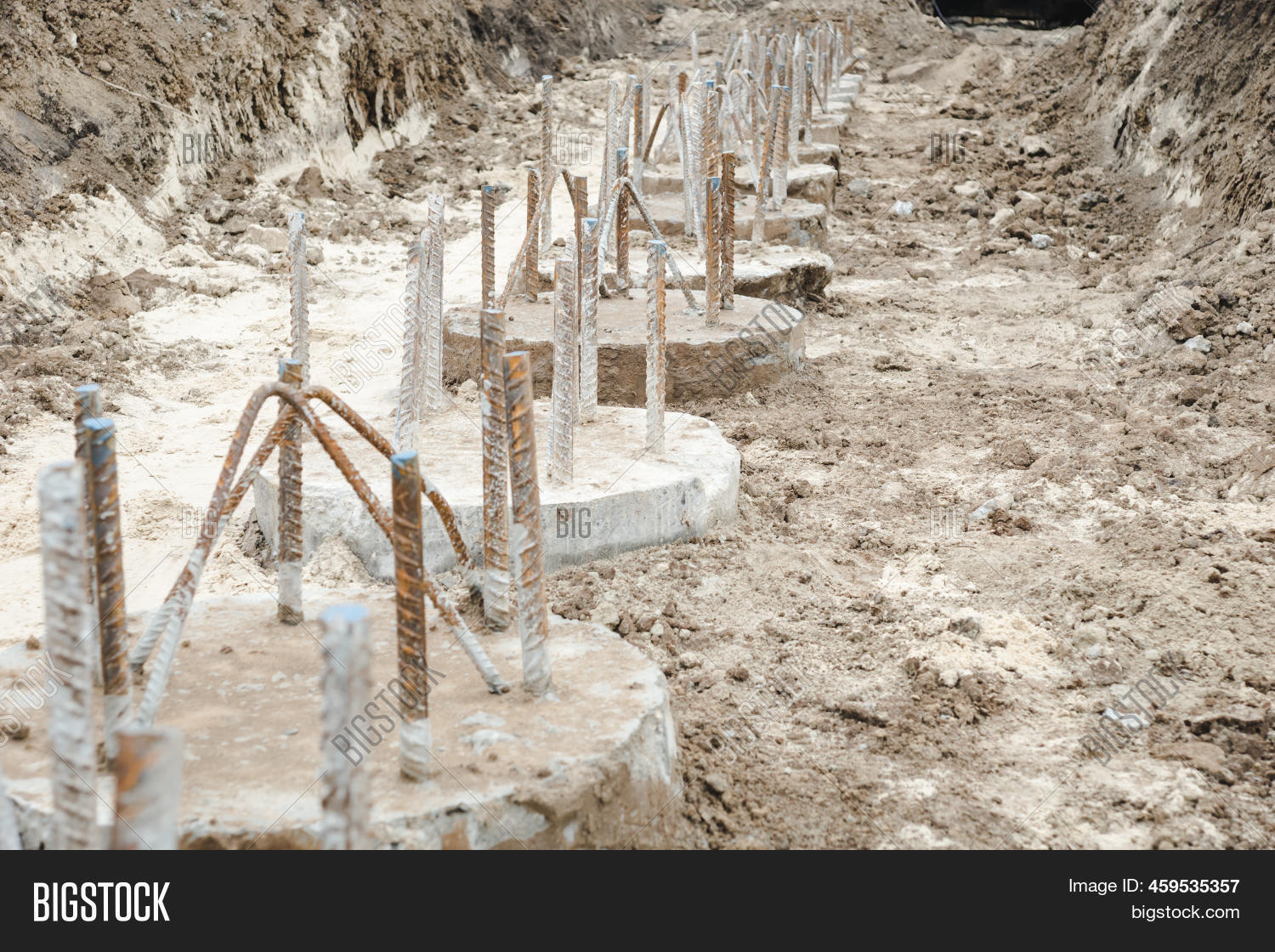
Piling bases represent fundamental structural parts utilized in construction to deliver a foundation for edifices and additional massive edifices. Such bases are typically inserted into the soil to transfer the burden of a construction down to deeper, increasingly stable earth or geological layers. Rather than distributing the load over a large zone like standard foundations, pile bases focus the weight load at particular locations, rendering them especially advantageous in regions with unstable or poor soil qualities.
There are diverse varieties of pile bases, including driven posts, bored posts, and spiral piles, each tailored for various earth conditions and undertaking specifications. Driven posts typically are composed of metal or concrete and are driven into the soil, while bored posts are bored and then completed with cement. The selection of these kinds relies on factors such as the soil structure, deepness required, and environmental considerations. Grasping these distinctions is crucial for selecting the correct kind of pile foundation for your construction.
The necessity of piling foundations becomes evident in situations where surface bases would not suffice. They stand out as essential in coastal building and locations prone to deluge or unstable soil. Additionally, piling bases support the structural integrity of skyscrapers and various tall constructions by avoiding settlement and providing a solid support. Understanding how these foundations operate and their applications is crucial for anyone involved in building, from engineers to project leaders.
Categories and Uses of Pile Foundations
Piling foundations are classified mainly into two types: prefabricated piles and bored piles. Driven piles are prefabricated piles that are installed into the ground using a pile driver, making them ideal for projects where speed and instant load capacity are necessary. On the other hand, bored piles are created by drilling into the ground to form a hole, which is then filled with concrete. Bored piles are frequently used in urban construction where noise and vibration need to be minimized.
Each type of pile caters to specific site conditions and structural demands. For example, driven piles are commonly utilized in coastal or riverbank projects because they can effectively penetrate soft soil and reach better stable layers beneath. Conversely, bored piles are preferred in densely populated areas where minimizing disturbance is critical, as they generate less noise and vibration during installation. The choice between these pile types also is based on the needed load-bearing capacity and soil conditions.
In addition to driven and bored piles, there are multiple materials used in pile construction, including concrete, steel, and timber. Concrete piles provide high durability and resistance to corrosion, while steel piles are preferred for their robustness and ease of handling. Timber piles, while less frequent today, can still be used in specific environments, especially in marine applications. Understanding the specific applications of each type of piling foundation helps engineers and builders select the best option for their construction projects.
Establishing along with Benefits of Pile Foundations
The setup of piling foundations entails a strategic procedure that starts with land survey and geotechnical study to ascertain the suitable type and length of columns required. After choosing https://pilingcontractorsderbyshire.co.uk/ of pile, the installation can continue, either by placing piles into the soil using a driving machine or drilling holes to place cement piles. Monitoring and modifying during setup are vital to ensure proper alignment and weight support capability. Safety measures and conformity to industry regulations are focused on throughout the procedure to obtain a secure foundation.
One of the key advantages of piling foundations is their ability to hold up substantial edifices in challenging ground conditions where standard foundations may fail. By transferring loads deep into the earth, supports provide improved stability and lower the chance of subsidence. This makes them notably important in locations with weak, expansive, or compressible soils. Pile foundations can also be a solution for construction near bodies of water, as they can endure water pressure that might jeopardize standard foundations.
Additionally, pile systems contribute to the longevity of structures, substantially extending their service life. By preventing issues like shifting and structure settling, they help maintain integrity over time. Furthermore, modern developments in pile construction technology have produced more efficient installation methods and materials, making piling foundations a sustainable selection in contemporary building. As demands for resilient infrastructure increase, piling foundations stay a key answer for builders and engineers alike.