Outside the Blueprint: The Information That Measured Building Surveys Uncover


In the realm of design and building, accuracy is crucial. Measured building surveys stand as an essential tool, providing builders, developers, and real estate developers with the reliable data they need to inform their projects . These surveys go beyond simple measurements; they capture the nuanced dimensions and features of current structures, contributing to a wealth of key information that guides restoration , rehabilitation , and new construction projects. As buildings age and needs change, understanding the details of a site becomes crucial for planning and development.
The necessity of measured property surveys is especially clear in the renovation and restoration of historic buildings, where precision can make the distinction between keeping the charm of the past and losing it forever. Measured Building Surveys Bexley London are indispensable not only for ensuring building integrity but also for improving efficient space planning and design. As technology has progressed, tools like laser scanning and drone technology have significantly augmented the competence of surveyors, enabling them to generate detailed drawings that include everything from layouts to elevations. In a world that increasingly demands accuracy and effectiveness, understanding the role and advantages of measured building surveys is key to positive construction outcomes.
Intro to Measured Building Surveys
Measured building surveys play a vital role in the architecture and construction industries, providing thorough information about a building's dimensions, design, and architectural features. These assessments utilize advanced technologies to record accurate measurements and create detailed representations of actual spaces. With the rise of electronic tools, the accuracy and effectiveness of these assessments have improved significantly, making them crucial for numerous projects.
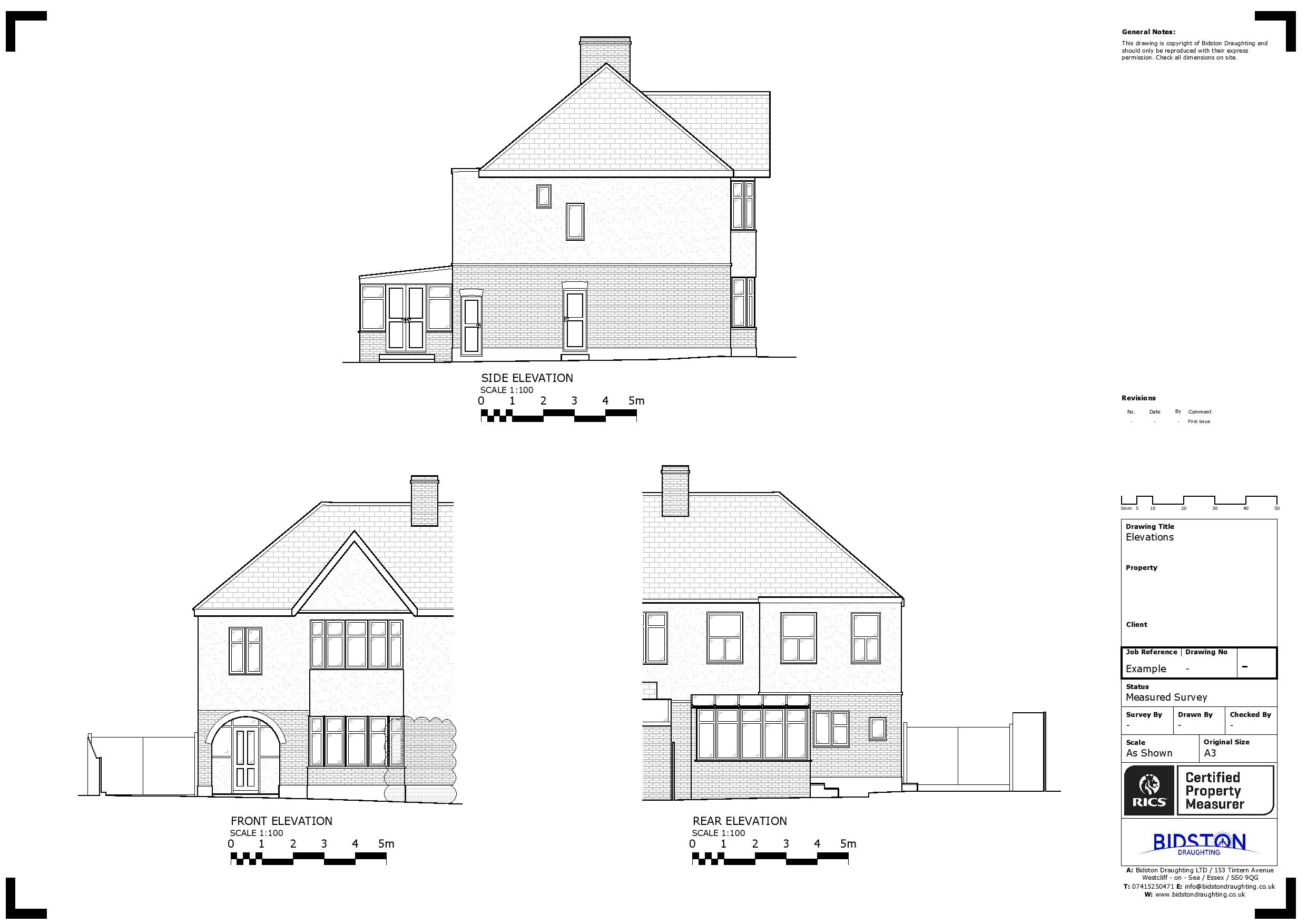
Understanding what a measured building assessment entails is important for experts involved in remodeling, restoration, and new building projects. This survey can include blueprints, views, and diagrams that depict the building's internal and external features, ensuring that all stakeholders have a comprehensive understanding of the current conditions. This degree of detail is vital for ensuring that subsequent design and construction efforts are grounded in reality, ultimately facilitating smoother project execution.
The importance of measured building surveys extends beyond mere measurements; they support effective planning and choices. By providing dependable data, these surveys help architects and builders minimize risks associated with mistakes in design and unforeseen complications. Whether for commercial properties or historical restorations, the insights gained from quantified surveys can lead to more successful outcomes and effective resource management throughout the construction process.
Significance of Accurate Survey Data
Exact survey data is fundamental to the achievement of all building project. It provides the vital measurements and geometric relationships necessary for contractors, architects, and engineers to make knowledgeable decisions. Faulty or insufficient data can lead to costly mistakes, delays, and issues down the line. With precise measurements, all involved party can surely move forward in the design phases, ensuring that the project aligns with legal requirements and client expectations.
Moreover, precise survey data improves collaboration among various teams involved in a project. By depending on accurate measurements, architects, technical experts, and builders can work with a shared understanding of the location. This commonality mitigates the chances of miscommunication and encourages an environment where innovative design solutions can flourish. In turn, it leads to more streamlined workflows, as all participants is operating from a uniform set of data, ultimately saving hours and resources throughout the project lifecycle.
Ultimately, the economic implications of exact survey data cannot be ignored. It immediately correlates with the reduction of rework and the avoidance of unexpected issues during building. By committing in exact measured building surveys, project stakeholders can significantly reduce the risk of financial overruns and delays. This dedication to accurate data not only safeguards the integrity of the building process but also contributes to the overall worth and success of the project in both the short and extended future.
Tech Developments in Building Surveys
The field of measured surveys has experienced substantial technological progress in the past years. One of the most noteworthy innovations is the integration of three-dimensional LIDAR scanning. This tech permitting surveyors to gather precise measurements in a small of the duration relative to traditional methods. By developing a detailed three-dimensional representation of a structure, LIDAR scanning not just boosts accuracy but also simplifies the entire surveying process, facilitating quicker data analysis and decision-making.
Another remarkable innovation is the application of drone technology in surveying projects. UAVs provide an efficient means of collecting aerial imagery and topographical data, which is especially beneficial for larger sites or hard-to-reach areas. This not only reduces the time and work required for surveying but also enhances safety by minimizing the need for workers to work in risk dangerous environments. As a consequence, many professionals are embracing drones as part of their equipment for contemporary building surveys.
Moreover, advancements in electronic mapping and BIM are changing how survey data is used. By combining precise measured surveys with Building Information Modeling, architects and designers can produce engaging 3D models that enable better visualization and planning during the building process. This collaboration between tech and surveys ensures that all parties have availability of reliable data, ultimately leading to more effective project management and execution.