This Complete Manual to Choosing Dental Prosthetics


Teeth implants have revolutionized the way we consider tooth loss, offering a long-lasting and visually appealing solution that can greatly boost one’s living standards. If you’re considering dental implants, you’re not alone. A growing number of people are selecting this advanced dental solution due to its numerous benefits, such as enhanced oral health, enhanced confidence, and the ability to speak and eat without discomfort.
In this ultimate guide, we will examine everything you need to know about dental implants, from learning about what they are and how they work to evaluating them with other tooth replacement options like dentures and bridges. We will delve into the procedures required, the healing process, and how to maintain your implants to provide enduring results. Whether you're weighing the costs or looking to understand the effects of dental implants on your general wellbeing and health, this detailed resource aims to provide you with the information needed to make informed decisions about your oral health.
Comprehending Tooth Implants
Dental implants represent a well-liked and efficient option for substituting absent teeth. They include a strong post that is surgically placed into the jawbone, functioning as a root for a prosthetic tooth. This post melds with the bone through a process called bone integration, providing a robust and reliable foundation for dental crowns, bridges, or false teeth. The procedure can restore not just aesthetics but also the function of the mouth, allowing for enhanced chewing and communication skills.
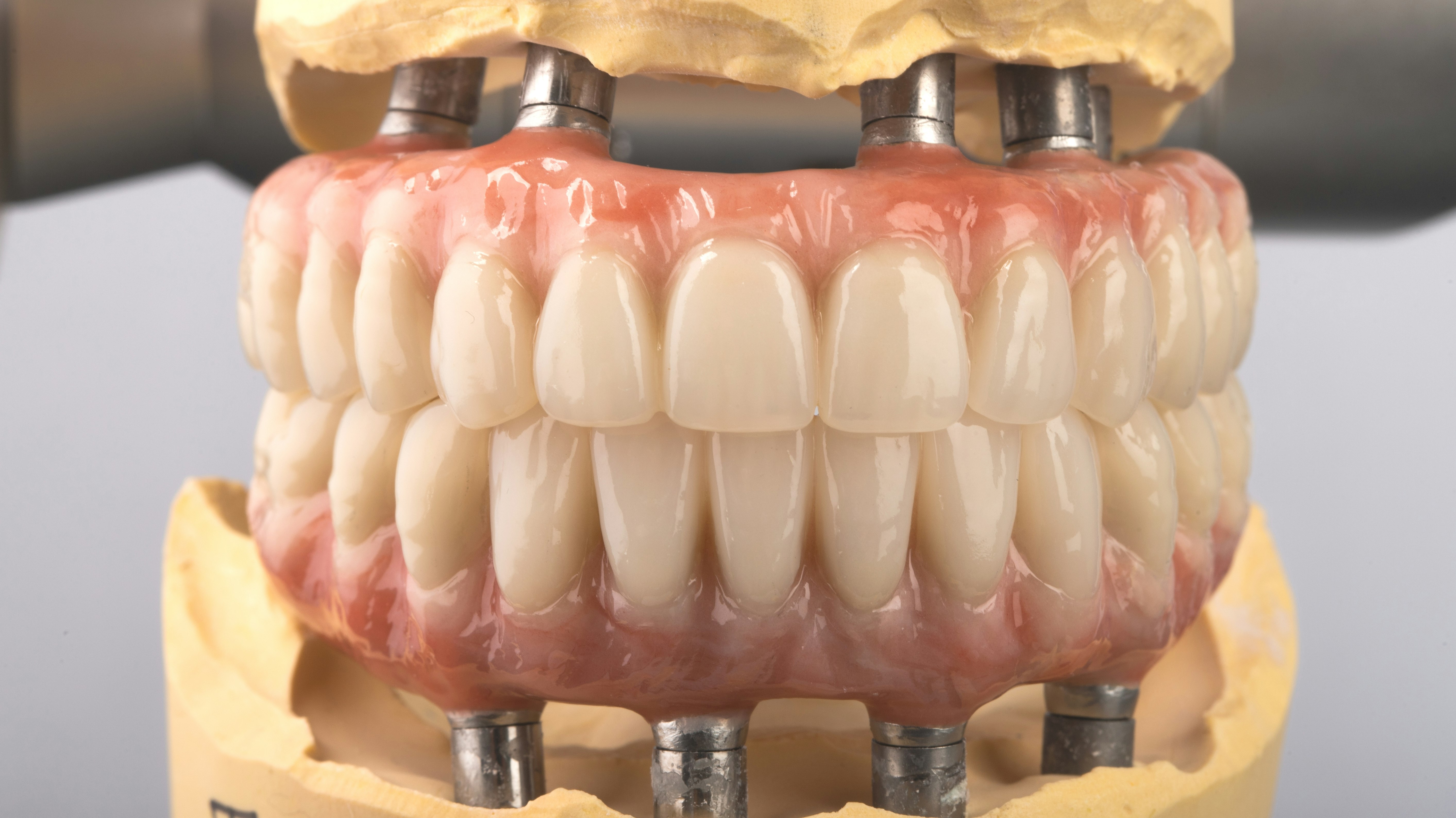
One of the main advantages of tooth implants is their strength and longevity. Unlike removable dentures, which may need to be updated or fit frequently, expertly implanted dental fixtures can endure for an extended period, frequently a lifetime with proper care with proper care. They also help preserve the integrity of the jawbone, preventing the bone loss that often occurs when teeth are absent. Patients often report that tooth implants improve their living experience by rejuvenating their grins and self-assurance.
When evaluating oral implants, it is important to speak with a certified dentist to evaluate specific needs and suitability. Considerations such as the density of the jawbone, oral health, and lifestyle factors can affect the outcome of the treatment. Understanding the different types of tooth implants on the market, as well as the full process from consultation to recovery, can equip patients to make informed decisions about their tooth health.
Understanding Oral Implants
Tooth implants represent a well-liked and efficient solution for restoring missing teeth. They consist of a titanium post that is surgically placed into the jawbone, functioning as a base for a new tooth. This post melds with the bone through a process called bone integration, providing a robust and reliable foundation for dental crowns, bridges, or full or partial dentures. The process can restore not just appearance but also the function of the mouth, allowing for better biting and chewing and talking abilities.
One of the main advantages of tooth implants is their sturdiness and long-lasting nature. In contrast to false teeth, which may need to be updated or fit frequently, expertly implanted tooth fixtures can endure for an extended period, often a lifetime with proper care with appropriate upkeep. They also help maintain the structure of the bone of the jaw, preventing the deterioration that typically takes place when teeth are missing. Patients frequently discover that implants enhance their living experience by rejuvenating their facial expressions and self-assurance.
When thinking about dental implants, it is essential to speak with a certified dentist to evaluate individual needs and appropriateness. Considerations such as jawbone health, the state of oral health, and lifestyle choices can influence the outcome of the process. Understanding the diverse types of implants offered, as well as the full process from assessment to post-operative care, can enable patients to decide wisely about their tooth health.
Procedures and Aftercare
The journey to receiving dental implants typically begins with a thorough examination and consultation with the dentist. This initial consultation will assess your oral health, bone density, and overall suitability for the procedure. Imaging tests like X-rays or 3D scans may be used to create a detailed picture of your jawbone and determine the optimal placement for the implants. If bone density is insufficient, a bone graft might be needed to ensure a stable foundation for the implants.
Once the assessment is completed, the implant procedure itself typically takes place in a dental office under local anesthesia or sedation. During new teeth , a titanium post is surgically placed into the jawbone, serving as the root for the new tooth. After placement, healing time is crucial, allowing the bone to fuse with the implant. This process, called osseointegration, can take several months. Your dentist will offer specific aftercare instructions to assist manage discomfort, swelling, and encourage healing during this period.
After the implants have successfully integrated, your dentist will attach the custom-made crowns, finishing the restoration. Aftercare is important to maintain your implants. Good oral hygiene practices, including regular brushing and flossing, must be observed. Additionally, routine dental check-ups are necessary to monitor the health of your implants and surrounding tissues. Understanding these procedures and committing to aftercare will ensure the stability and success of your dental implants.