Up Above: Advancements in Trade Scaffolding Solutions


In the busy world of commercial construction, scaffolding professionals play an often underestimated yet essential role. These committed professionals provide the necessary framework that allows tradespeople to access elevated work areas securely and productively. From high-rise buildings to large-scale infrastructure projects, the skills of scaffold professionals ensures that every phase of construction is executed with precision and safety at the top. This article delves into the innovations shaping the scaffolding industry, examining what scaffold teams do, the value of secure scaffolding practices, and how they enhance project success and safety.
As construction demands evolve, so do the approaches and tools used in scaffolding. With a focus on state-of-the-art solutions, this guide aims to shed light on the challenges scaffolders face on site, the rules they must adhere to, and the varied benefits that arise from engaging skilled professionals in this field. Whether you are a project manager, a project planner, or merely inquisitive about the scaffolding industry, understanding these elements is essential for guaranteeing project success and safety in the ever-changing landscape of business construction.
Understanding Business Scaffolding
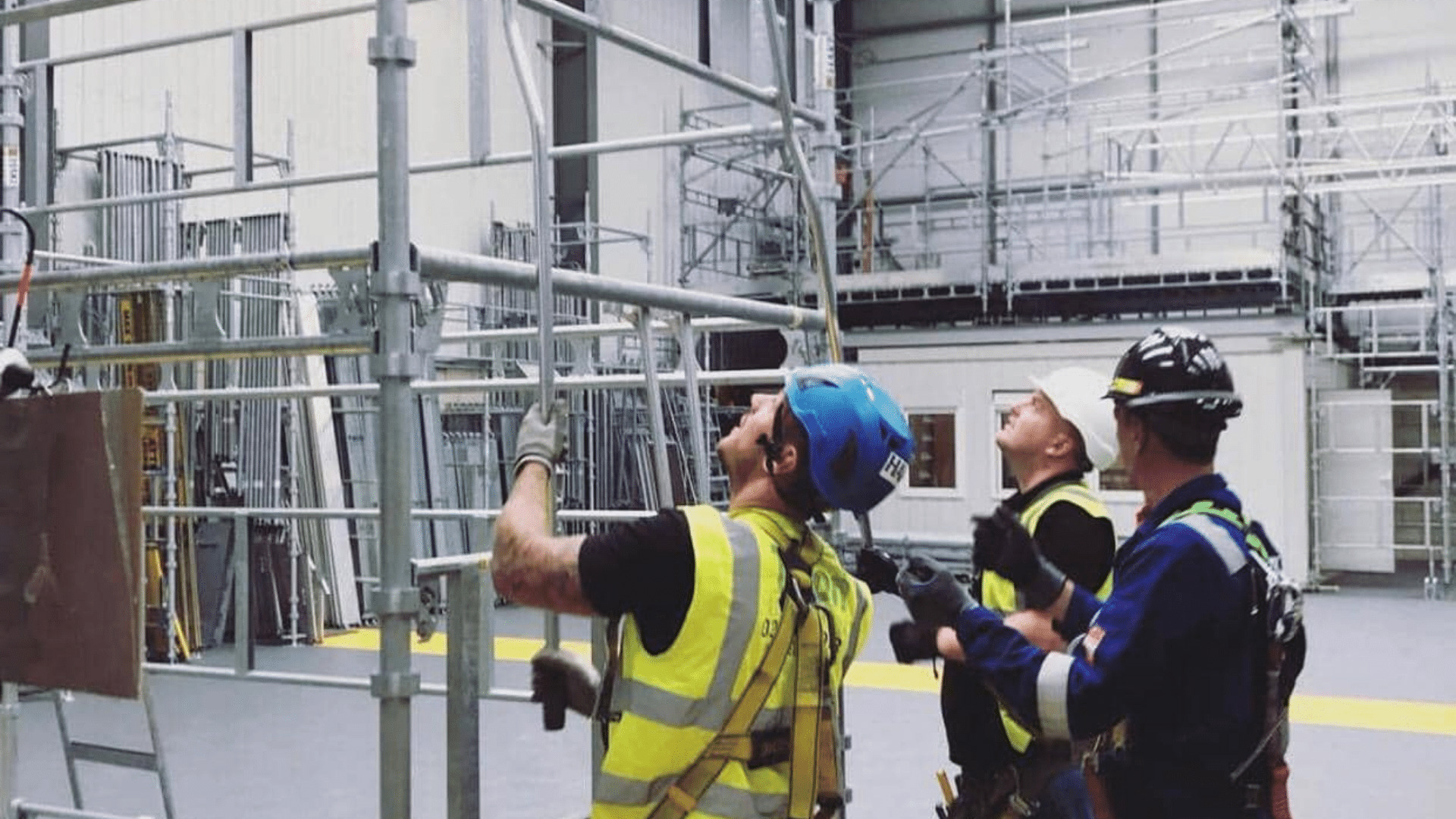
Corporate scaffolding is a crucial component of building projects, providing transient structures that assist workers and materials at different heights. Scaffolders are experienced professionals who design, construct, and disassemble scaffolding systems to ensure the safety and efficiency of construction sites. Their work is essential not only for access to lofty areas but also for maintaining safety regulations and facilitating smooth operations throughout the duration of the project.
The significance of safe scaffolding is paramount. Scaffolding systems must follow strict safety regulations to minimize accidents and injuries on the job site. Proper installation and regular inspections of scaffolding structures are crucial to ensure that they can withstand the expected loads and withstand environmental conditions. Commercial scaffolders must stay alert and current on industry standards, using their skills to create safe conditions for construction workers.
Advancements in scaffolding systems are improving the capabilities and safety of scaffolding systems in business construction. From modular scaffolding designs to high-tech materials that improve robustness and weight capacity, these improvements lead to more effective and versatile scaffolding solutions. As projects become more complex and expectations for sustainability rise, commercial scaffolders are adapting to integrate these new technologies, making their services even more necessary in the modern construction landscape.
Security and Guidelines in Scaffolding
Guaranteeing protection on building sites is paramount, and scaffold systems plays a vital role in this process. https://www.scaffolders-kent.uk/best-commercial-scaffolders-in-kent/ must follow strict safety regulations to ensure the safety of workers and the public. These regulations, often influenced by federal guidelines such as the Occupational Safety and Health Administration in the US, dictate the design, construction, and upkeep of scaffolding systems. Adherence with these guidelines not only reduces hazard but also promotes a culture of safety within the building industry.
Routine inspections are indispensable to meet safety requirements. Scaffolders are required to conduct thorough checks of scaffolding before use, which entails assessing the stability, balance, and proper configuration of the scaffolding structures. Adopting an effective inspection list ensures all components are stable and operating correctly, helping to identify potential risks before they cause incidents. Additionally, education and certification for scaffolders help ensure they are knowledgeable about safety protocols and the latest regulatory changes.
Furthermore, comprehending load limits and following weight restrictions is crucial for safe scaffolding operations. Each scaffolding structure is designed to support a specific amount of weight, and surpassing this can lead to devastating incidents. Commercial scaffolders must be meticulous in calculating load distributions and ensuring that equipment is suitable for the jobs at hand. By prioritizing these safety measures, scaffolders contribute not only to the success of particular jobs but also to the overall reputation and reliability of the building industry.
Advancements and Upcoming Changes in Scaffolding
The professional scaffolding sector is experiencing substantial innovations driven by emerging technology and a growing focus on safety and productivity. Innovations such as the use of 3D modeling and digital planning tools enable scaffolders to create bespoke scaffolding structures that better fit the unique demands of each building site. These technologies not only enhance the design workflow but also improve precision, reducing resource waste and enhancing site security. Additionally, developments in material science have led to lighter-weight yet stronger scaffolding elements, which facilitate more convenient assembly and disassembly while upholding security standards.
Another developing trend is the inclusion of intelligent technology into scaffolding systems. Companies are beginning to adopt IoT devices and sensors that track structural integrity in real-time, providing instant feedback about load limits and potential hazards. This proactive approach to security can help prevent accidents before they occur, offering assurance to both workers and project managers. As companies aim for higher efficiency, these high-tech enhancements are becoming crucial for staying competitive in the rapidly changing construction landscape.
Eco-friendliness is also becoming a key focus in the scaffolding industry. The use of eco-friendly materials and methods is on the rise, in response to increasing environmental regulations and the industry's push for greener practices. Scaffolding systems that incorporate recyclable materials or are designed to reduce environmental footprint are gaining traction. As the demand for environmentally-friendly construction practices grows, scaffolding suppliers will need to adapt and evolve to meet these new expectations, shaping a more responsible and progressive industry.