Why Cellar Sealing is considered a Must for Every Homeowners


Basement sealing is a vital aspect of house maintenance that frequently goes disregarded by homeowners. While it may not be the first item on your renovation list, ensuring that your basement is adequately waterproofed can save a substantial amount of money and stress in the long run. Water leaks can lead to a range of problems like mold growth, structural damage, and a decline in indoor air quality. This complete guide will explore why basement waterproofing should be a top priority for every homeowner.
If you are handling an older home or a recent construction, understanding the importance of waterproofing is crucial. From spotting the signs that your basement needs immediate attention to exploring the various waterproofing methods available, this guide will provide you with the key knowledge needed to safeguard your property. We will also delve into common misconceptions, the long-term value it adds to your home, and the crucial role drainage systems play in keeping your basement dry. By the end, you will have all the information needed to make wise decisions about basement waterproofing, ensuring a safe environment for you and your family.
Comprehending Cellar Moisture Control
Basement waterproofing is a crucial procedure that incorporates methods and practices used to maintain cellars free from water and prevent water ingress. Moisture can enter basements through different pathways, including fissures in the structure, joint spaces, and drainage issues. As foundation leak repair , moisture control helps safeguard the stability of the property, guaranteeing that the lower level continues to be a usable area while safeguarding against damage to the structure and mold growth.
Property owners often neglect the significance of waterproofing the basement until it turns into a serious problem. Many are unaware of the serious risks associated with moisture in the basement, such as the growth of mold, allergy-causing substances, and the deterioration of construction materials. By recognizing these dangers, occupants can more fully understand the necessity of successful waterproofing solutions to ensure a healthy and protective living environment.
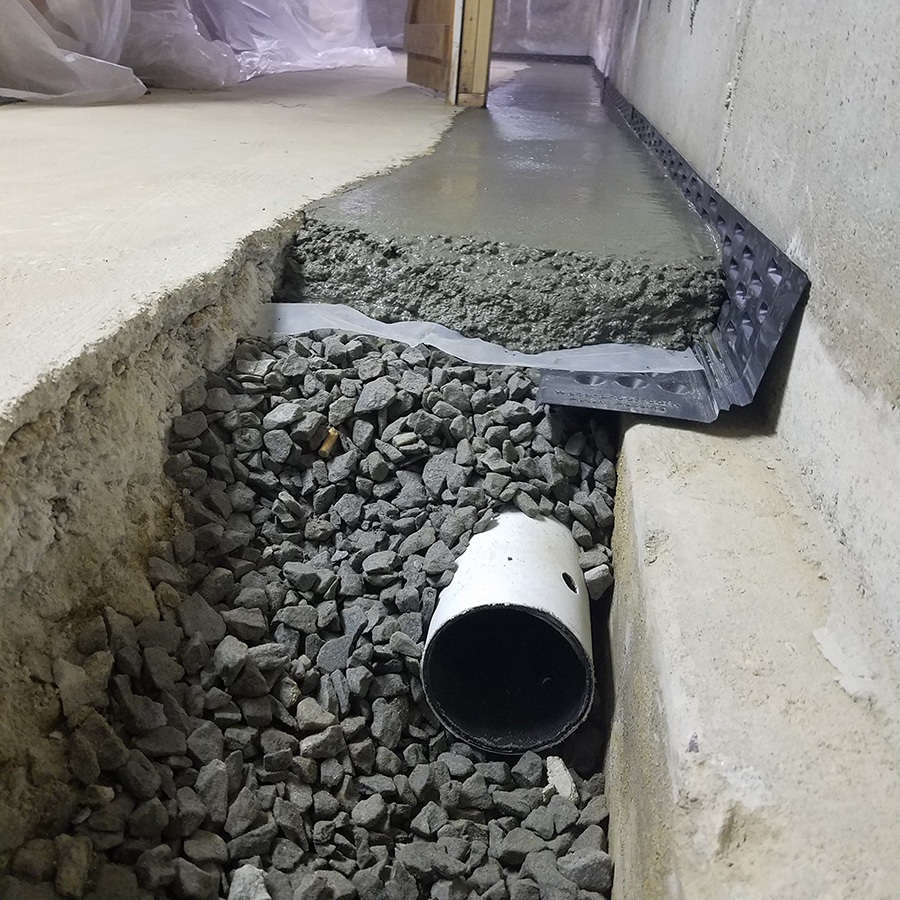
There are several techniques of moisture control, which can be widely categorized into interior and external methods. Internal waterproofing techniques may include water removal pumps, waterproof membranes, and drainage systems, while exterior solutions often necessitate excavation and applying waterproof membranes. By realizing the various choices available, homeowners can take knowledgeable conclusions to effectively safeguard their basements from water damage.
Recognizing the Requirement for Basement Waterproofing
One of the initial actions in recognizing the need for basement waterproofing is to look for the indications of moisture or water intrusion. Homeowners should regularly check for noticeable water stains, mold growth, and peeling paint on the walls. Foul smells can also suggest hidden humidity problems. If you see any of these signs, it could be time to explore waterproofing solutions to protect your home from further damage.
Another important factor to consider is the age of your home. Aged homes are often more susceptible to water leaks due to foundation shifts, outdated construction methods, and the wear and tear of waterproofing systems over time. If your home is several decades old, proactive assessment of the basement's condition can help prevent costly repairs in the future. Regular inspection can help you identify issues promptly, minimizing the impact on your home’s foundation and overall structure.
Additionally, weather changes can critically affect moisture levels in your basement. During heavy rains or winter thawing, water can seep in more easily. Homeowners should be vigilant during these times and evaluate the surrounding landscape, drainage systems, and gutters, ensuring they are working correctly. If you notice recurrent issues during these particular times, there's a strong indication that a broader waterproofing solution may be needed.
Choosing the Right Moisture-Proofing Methods
As for cellar waterproofing, selecting the right method for your house is vital. Homeowners should first examine the origin of moisture intrusion—if it’s due to groundwater, surface water, or plumbing leaks. This assessment will aid in determining between interior and exterior waterproofing approaches. Interior choices typically consist of sealants and drainage systems, while exterior approaches may require excavation and the setup of drainage tiles. Each choice has its pros and cons, making it essential to assess the particular conditions of your basement.
A further key consideration is the specific features of your property, such as its location, landscape, and existing drainage systems. For example, homes in flood-prone areas may require more strong solutions, like sump pumps and complex drainage systems, to handle water properly. Additionally, the age of your home plays a significant role; older structures may have distinct challenges that require specialized waterproofing techniques. Engaging a professional to perform an inspection can assist identify these factors and recommend appropriate options.
Finally, it's crucial to consider cost and maintenance in your decision-making approach. While some homeowners may prefer DIY waterproofing methods to save money, knowing what works and what doesn’t can stop costly mistakes. Investing in professional waterproofing services can often lead to long-term savings, as these methods typically come with assurances. Keeping in mind both short-term and sustained factors will guide you towards the optimal waterproofing option for your particular circumstance.